
Hana’s Loyalties and Losses
The Glass RoomThis flow traces Hana’s passionate attachments, wartime choices, imprisonment, and the grief she carries into her later friendship with Zdenka.
increasing Bearing strength in each event
 decreasing
Bearing strength in each eventdecreasingThe Intimate Friend

Hana in Liesel’s Life
A candid friendship
Hana is Liesel’s intimate companion and cultural guide, a woman who jokes about sex and refuses conventional respectability. Her frankness offers Liesel a different way of thinking about desire and marriage.
Her friendship includes tenderness as well as provocation, especially when she helps Liesel imagine and celebrate pregnancy.
A hidden longing
Hana’s gestures toward Liesel sometimes cross the boundaries of ordinary friendship. She eventually admits that her love is deeper than Liesel had understood, though she does not demand that it be returned.
A Marriage and an Affair

Desire and Devotion
Contradictory attachments
Hana has an affair with the pianist Miroslav Němec, while remaining married to Oskar. She speaks openly about desire but is also deeply attached to the husband who loves her.
Her relationships expose the difference between sexual freedom and emotional security.
An enduring bond
Even when Hana behaves recklessly, her loyalty to Liesel remains a central part of her life. She understands that Liesel’s steadier marriage and family can make Hana feel both cherished and excluded.
Help for Eva
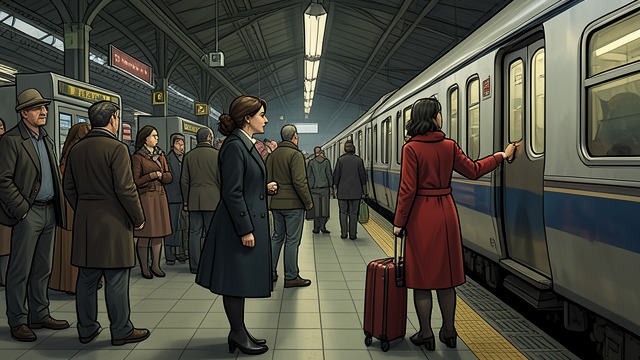
A Risky Act of Solidarity
An escape arranged
Hana recognizes Eva Mandl as the actress Hedy Kiesler and learns that she is controlled by her husband. Hana helps her escape through a hurried, carefully improvised journey to the railway station.
The act is driven by sympathy for a woman whose choices have been constrained by a powerful man.
Freedom without certainty
Eva’s escape gives her a chance to pursue film work abroad, but Hana cannot control what happens next. Her action shows that she turns friendship into practical intervention when another woman is trapped.
The Camp and Světla
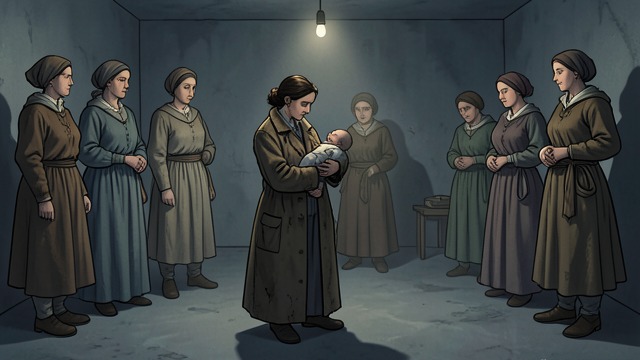
Motherhood in the Camp
A child arrives
In Ravensbrück, Hana gives birth to a daughter whom she names Světla, meaning light. Other women help her through an event that occurs amid imprisonment, deprivation, and fear.
Hana’s brief time with the infant gives her a reason to imagine survival and reunion.
Loss and survival
The child is taken away and never seen again. Hana survives the camp, but the loss remains an unspoken center of her history until she later entrusts it to Zdenka.
Love After the Camps
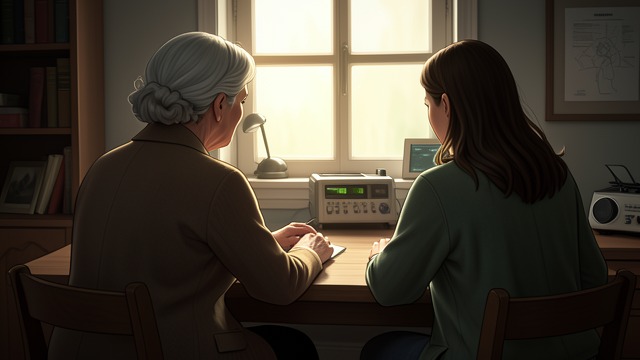
A Life Still Capable of Attachment
A homecoming delayed
Hana loses contact with Liesel through war, imprisonment, and political separation. After returning to Město, she finds that the city and its social world have changed.
She maintains a life with Oskar, but the past continues to shape her loyalties and grief.
A new confession
Decades later, Hana tells Zdenka about her daughter and confesses her love. She turns toward intimacy again, not by erasing loss but by trusting another person with it.
During Liesel’s first pregnancy
During the years before the occupation
After the dinner where Eva’s film career is revealed
During Hana’s imprisonment in the war
During the postwar period and return in 1968
